
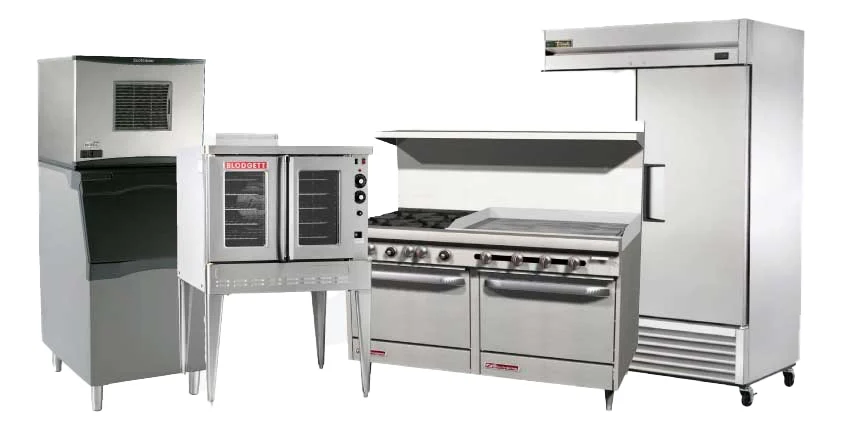
Sourcing equipment for a restaurant is a crucial task that can significantly impact the efficiency and success of the business. Professionals in the culinary industry understand that having the right tools is essential to maintain quality, ensure safety, and enhance productivity. Therefore, they often turn to reputable restaurant supply stores to meet their needs. Here’s how they go about sourcing equipment from the best in the business.
Firstly, professionals begin by identifying their specific requirements based on their menu offerings and kitchen layout. Understanding what is needed allows them to focus on finding high-quality items that will support their operations effectively. This process involves evaluating current inventory, consulting with chefs and kitchen staff, and considering future growth or menu changes.
Once clear on what is needed, professionals compile a best restaurant supply stores list of potential suppliers by researching online directories and reviews or seeking recommendations from industry colleagues. They look for suppliers known for offering durable products, excellent customer service, competitive pricing, and reliable delivery options. Many experts rely on established names in the industry but also remain open to discovering new entrants who might offer innovative solutions or better deals.
After narrowing down potential suppliers, professionals delve into comparisons based on several factors such as product range, quality assurance policies like warranties or return options, customization capabilities if required (especially important for unique kitchen designs), and after-sales support services which include maintenance or repair services.
Price comparison plays an integral role during this phase; however, experienced restaurateurs know not to compromise quality over cost savings alone since inferior equipment can lead to higher long-term expenses due to frequent replacements or repairs. Negotiating terms with suppliers often helps secure favorable deals without sacrificing quality standards.
Another critical step involves visiting physical stores when possible—or virtual tours if available—to assess firsthand both product quality and store reliability through interactions with sales representatives who provide insights into various products’ functionalities suited specifically towards fulfilling particular operational needs within different types of food establishments ranging from cafes up through fine dining restaurants.